
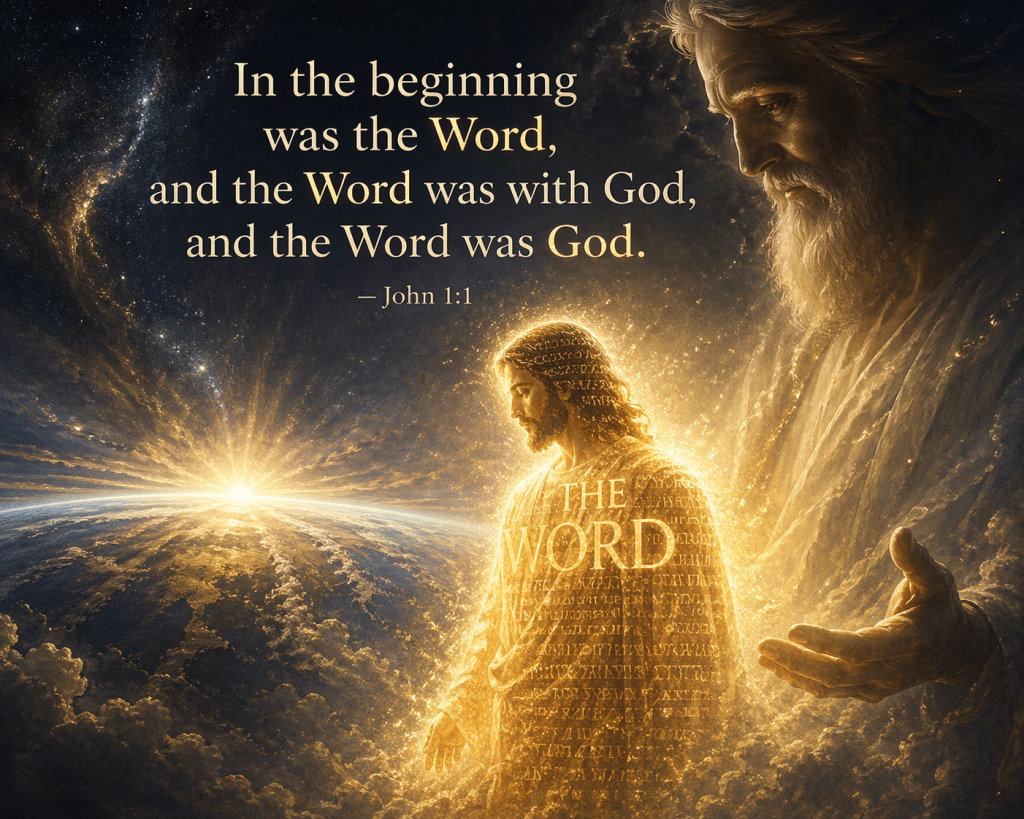
This passage is a profound restatement and expansion of Genesis 1:1. While Genesis declares the beginning of creation, and the identity of the creator as God, John further reveals the identity of the Creator. He makes clear that Jesus Christ is the “Word”—that He was with God in the beginning and that He was God. John removes any ambiguity: Christ was present at creation, all things came into being through Him, nothing that exists was made apart from Him and He came and dwelt among us.
But why does John refer to Jesus as the “Word” (Logos in Greek)?
The Gospel of John was written in Greek, the common language of the time, allowing it to reach both Jewish and Greek audiences. John himself was a Hebrew, shaped by the language, thought patterns, and theological framework of the Old Testament. His choice of Logos was therefore not merely linguistic—it was intentional and theological.
While the Greek term Logos could communicate ideas of reason, order, and rationality to a Greek audience, to a Hebrew audience it captures something more because of the Hebrew dābār. Often translated as “word,” dābār carries a meaning more than simple speech. The Hebrew concept emphasizes action, power, and fulfillment—precisely the qualities John attributes to Christ in creation.
In the Hebrew Scriptures, God’s word is never passive—it is active, dynamic, and effective. When God speaks, reality comes into existence. God’s word carries power, intention, and fulfillment:
“And God said… and it was so.” (Genesis 1)
“My word… shall not return to me void, but it shall accomplish what I please.” (Isaiah 55:11)
Thus, for Hebrews at the time the “Word” in John is not simply an expression—it is the living, creative power of God in action. When John writes, “In the beginning was the Word,” he is conveying more than the idea of divine speech. He is declaring that from the very beginning God’s active, creative, and self-expressing power existed. It is not an abstract force, but a Person: Jesus Christ, who dwelt among them.
The “Word” is not merely something God spoke; it is who God is in action—living, creating, sustaining, and ultimately entering His creation to fulfill his plan of salvation.
Books by G. Lee Southard
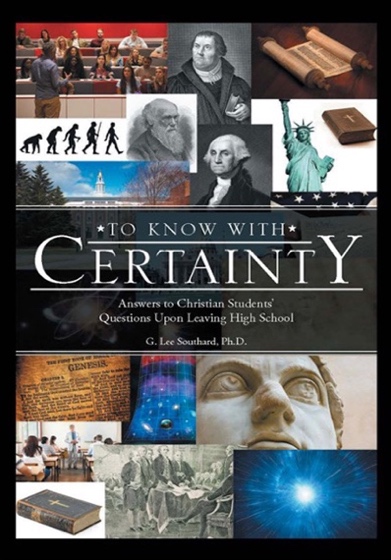
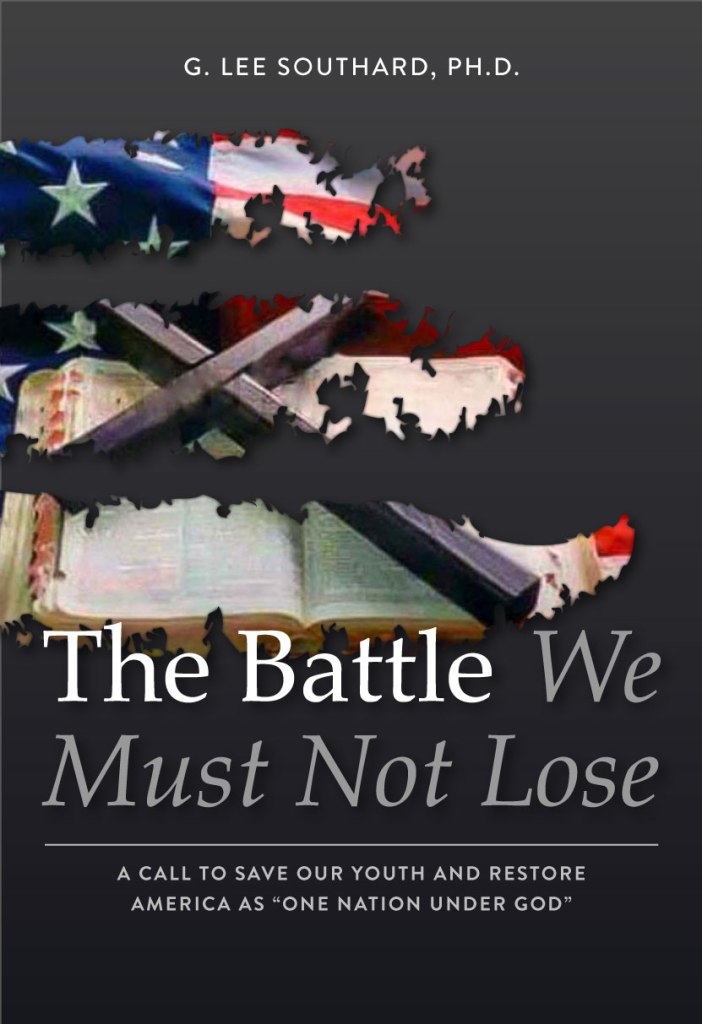
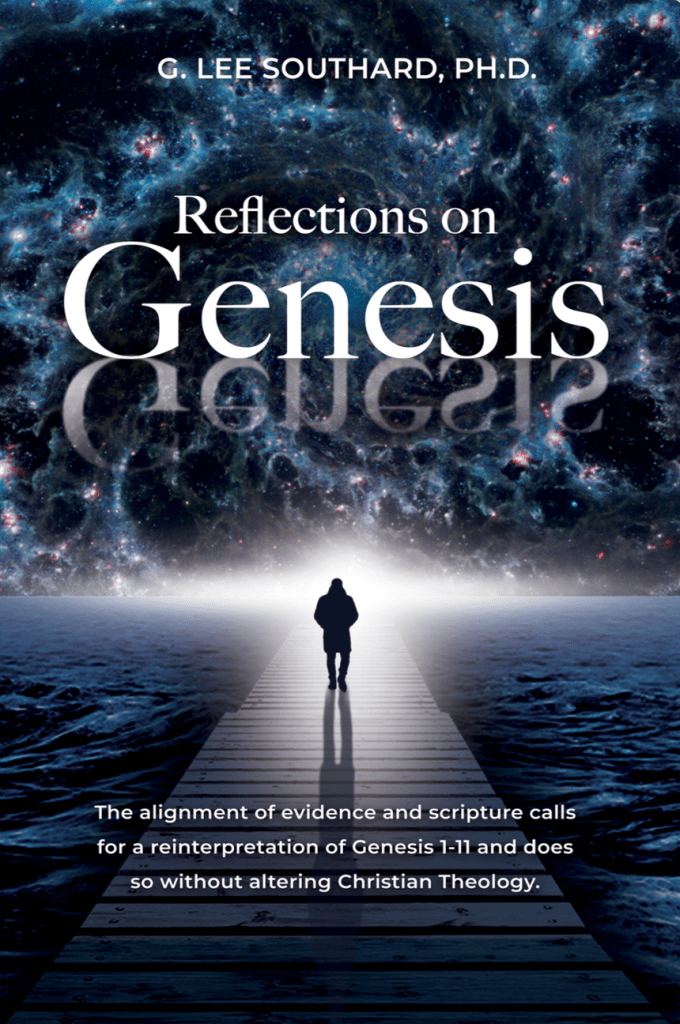
Amazon https://www.amazon.com
Barnes and Nobel at https://www.barnesandnoble.com
WestBow Publishers at https://www.westbowpress.com/en/bookstore.
Know With Certainty at https://toknowwithcertainty.com
 To Know with Certainty
Leave a comment